PV1503大众汽车高温高压蒸汽油漆涂层喷射
Changes The following changes have been made as compared to Test Specification PV 1503, 1998-02: Standard compley revised Contents of PV 1504 added
Previous issues PV 1503: 1987-10; 1996-12; 1998-02; PV 1504: 1990-10
1 Scope This standard describes a procedure to determine paint adhesion on metallic and non-metallic materials. It simulates the stresses produced when surfaces are cleaned with a steam jet using two different tests: Test A: flat angle of jet along the two intersecting legs of the St. Andrew's cross (see Figure 1) Test B: steep angle of jet in the center of the St. Andrew's cross The test to be used shall be agreed with the responsible engineering department.
2 Description Steam jet test according to PV 1503A, or steam jet test according to PV 1503B.
3 Test method
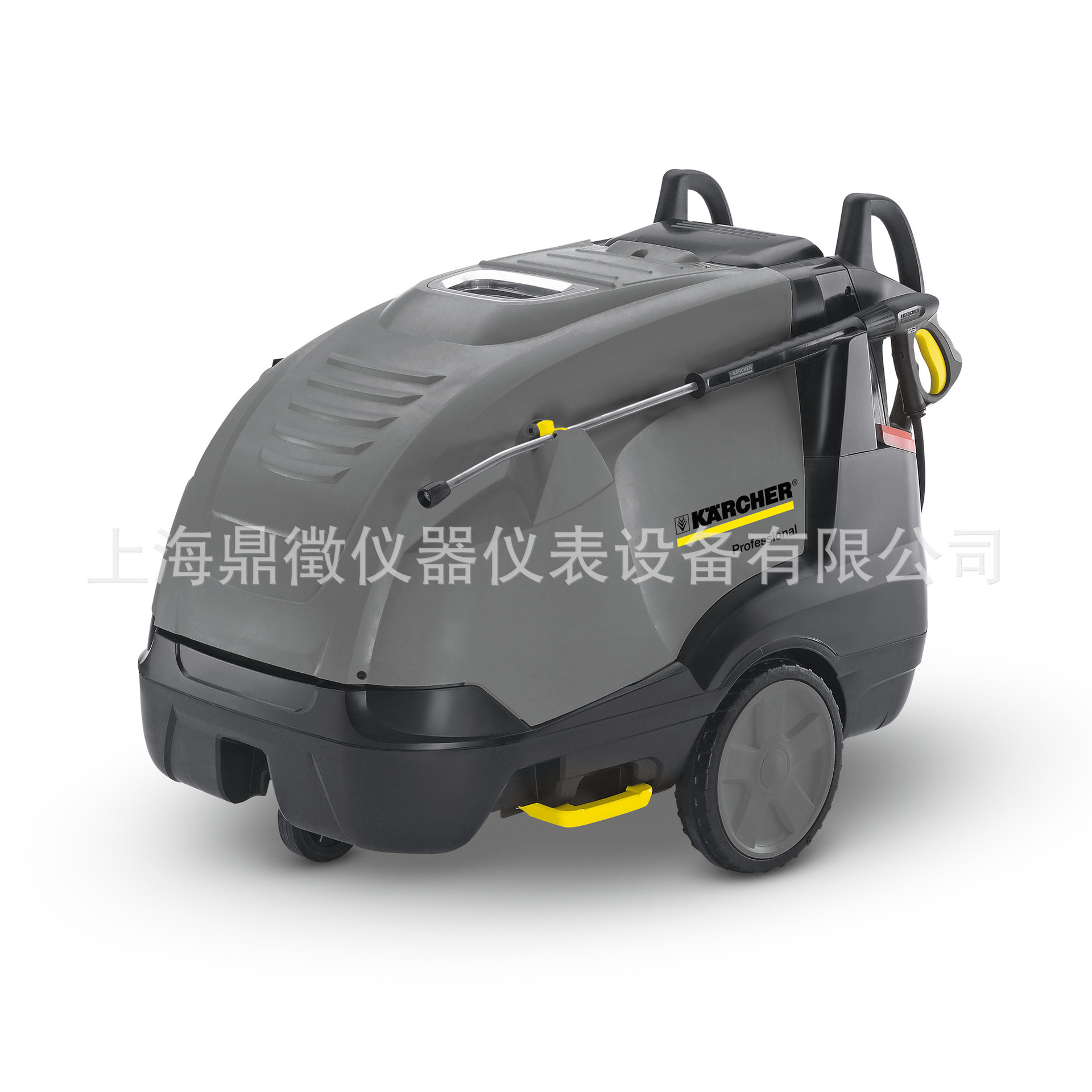
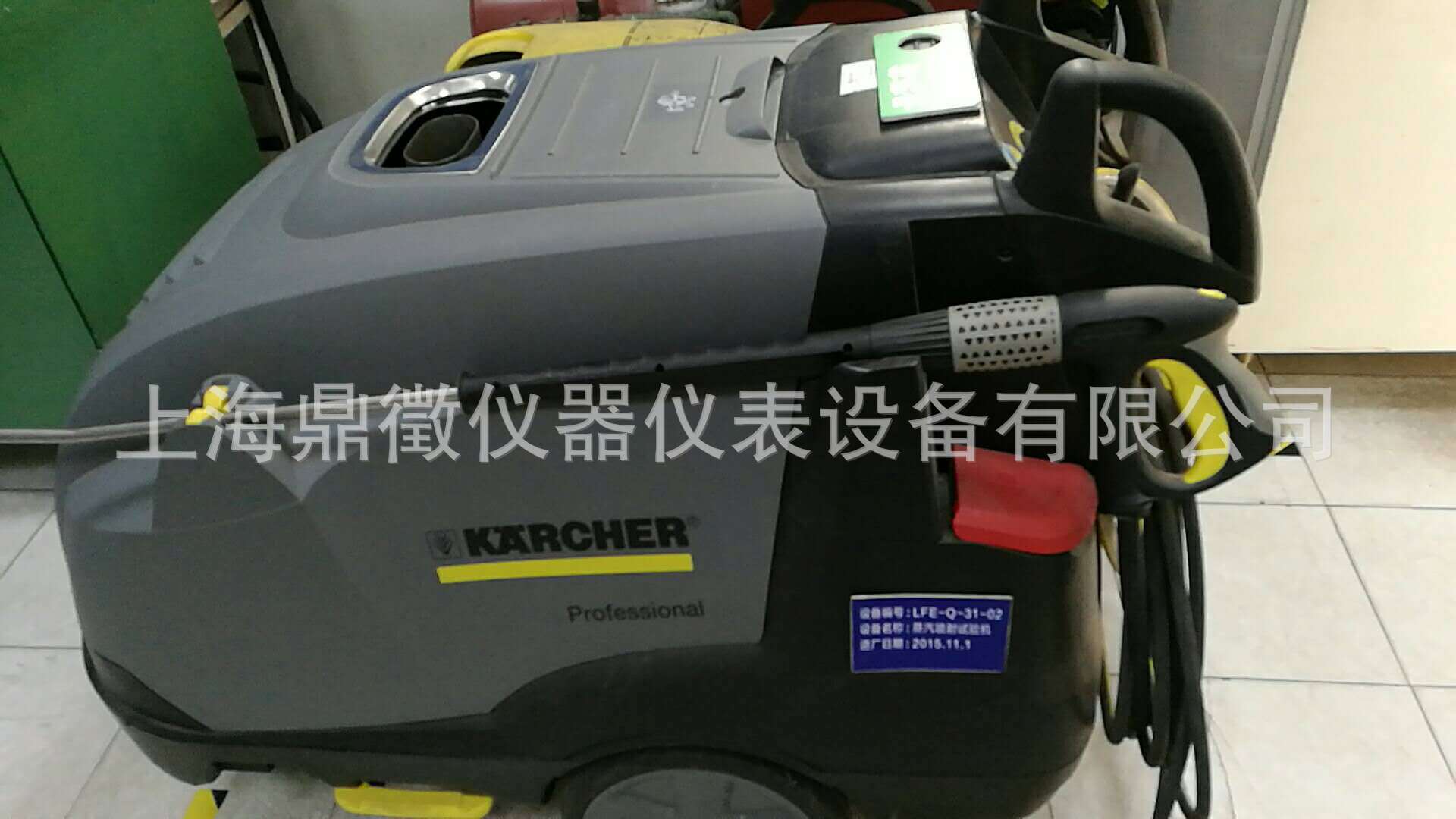
3.1 Equipment and auxiliary equipment Steam jet (e.g. Kärcher or NIFAB) Painted non-metallic parts (e.g. bumper and mirror housing) Painted metallic exterior parts and parts of the chassis Scratch marker per van Laar and Clemen according to DIN EN ISO 7253 Cutter (e.g. Edding, cutter ML 18)
3.2 Specimen preparation
3.2.1 Unloaded steam jet test (as-received condition) Conditioning of painted plastic parts for 48 h at 50 °C or 24 h at 60 °C followed by aging in the DIN 50 014 – 23/50-2 standard climate. Conditioning of painted metallic exterior parts and parts of the chassis for 24 h in the DIN 50 014 – 23/50-2 standard climate.
3.2.2 Steam jet test after loading (e.g. 240 h according to DIN 50 017 KK) Conditioning of the specimens before the steam jet test after loading (e.g. 240 h according to DIN 50 017 KK). Acclimatization of the plastic parts for 24 h in the DIN 50 014 – 23/50-2 standard climate.
3.3 Test conditions and setting parameters See Table 1.
| 1 | Parameter | PV1503A | PV1503B |
| 1 | Preset working pressure (depending on device type and hose length) | (90 ± 5) bar | |
| 2 | Outlet temperature measured 10 cm from the nozzle | (60 to 70) ℃ | |
| 3 | Impact pressure measured 15 cm from the nozzle at an angle of 90° | (19 ± 2) N | |
| 4 | Nozzle type depending on device manufacturer | Spraying Systems TP2505 EG NIFAB 2506 | |
| 5 | Distance from nozzle to specimen = 15 cm | To be used for paint coatings of any type on plastic and metal on the exterior of the vehicle (requirements according to Technical Supply Specification). | |
| 6 | Distance from nozzle to specimen = 5 cm | To be used for low-temperature paint coating (e.g. 90 °C) on all substrates, see No. 12 for control limit, paint flakes | |
| 7 | Distance from nozzle to specimen = 2 cm | To be used for high-temperature paint coating (140°C); control limit and requirement as for No. 6. | |
| 8 | Angle of jet | 45° | 90° |
| 9 | Duration of spraying | Spraying acc. to Figure 1 | 1 x 20 s, slight swinging movement, even spraying above the point of intersection of the St. Andrew's cross. |
| 10 | Nozzle alignment | Along the intersecting legs of the St. Andrew's cross | Point of intersection of the St. Andrew's cross on the specimen |
| 11 | Spray pattern (check of the setting parameters) | Material to be used: Styroform RTM from Stadur-Süd GmbH, procedure according to 3.4.1 | |
| 12 | Control limit | Paint flakes ≥ 3 mm² and an acceptable test result at 15 cm (distance from nozzle to specimen) indicate a test result that is still acceptable. However, the paint adhesion of the specimen must be optimized and the specimen must be resubmitted. | |
3.4 Procedure
3.4.1 Check of the spray pattern The spray pattern is checked using an extruded polystyrene hard foam (see Section 3.3, Table 1, No. 11) with a closed cell structure and flame-retardant additive. The Styroform block is placed in a clamp and the test is carried out with a distance of 12 cm between the nozzle and the block. The penetration depth of the spray jet shall not exceed 5 mm and the spray pattern length shall not exceed 10 cm.
3.4.2 Procedure with specimens A crosscut (St. Andrew's cross) is made in the specimen according to DIN EN ISO 7253 (the paint structure must be scribed down to the substrate). The specimen is then subjected to the steam jet under the conditions specified in Section 3.3.
3.5 Evaluation The specimen is visually inspected for any evidence of detachment of the paint surface after spraying with the steam jet. The evaluation is based on the degree of damage (length of the detached area at the St. Andrew's cross in mm). Minor flakes up to 1 mm caused by bad cutting at the crosscut will be disregarded from the evaluation.
4 Referenced standards)
DIN 50 014 Climates and their Technical Application; Standard Atmospheres
DIN 50 017 Atmospheres and their Technical Application; Condensation Water Test Atmospheres
DIN EN ISO 7253 Paints and Varnishes – Determination of Resistance to Neutral Salt Spray (Fog)
上一篇:学校智能制造生产线教学模型系统
版权与免责声明:凡本网注明“来源:亚洲制造网”的所有作品,均为浙江兴旺宝明通网络有限公司-亚洲制造网合法拥有版权或有权使用的作品,未经本网授权不得转载、摘编或利用其它方式使用上述作品。已经本网授权使用作品的,应在授权范围内使用,并注明“来源:亚洲制造网”。违反上述声明者,本网将追究其相关法律责任。 本网转载并注明自其它来源(非亚洲制造网)的作品,目的在于传递更多信息,并不代表本网赞同其观点或和对其真实性负责,不承担此类作品侵权行为的直接责任及连带责任。其他媒体、网站或个人从本网转载时,必须保留本网注明的作品第一来源,并自负版权等法律责任。 如涉及作品内容、版权等问题,请在作品发表之日起一周内与本网联系,否则视为放弃相关权利。
展开全部